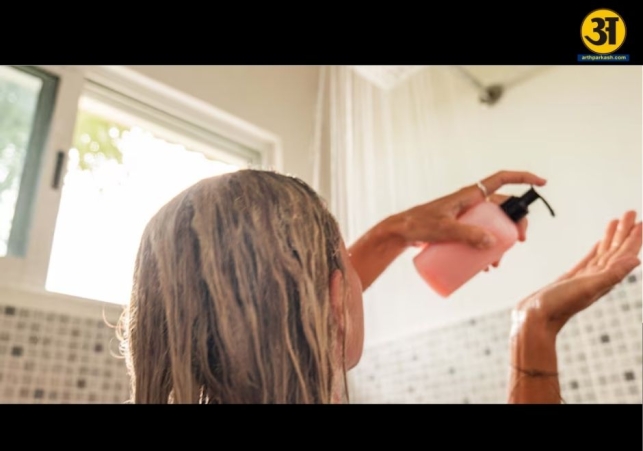
Experts explain why switching to sulphate-free shampoos takes time
What really happens when you stop using sulphate shampoos
- By Gurmehar --
- Monday, 20 Jul, 2026
Many of us have grown up believing that a good shampoo should produce lots of foam. The rich lather makes hair feel fresh, clean and thoroughly washed. Because of this, many people continue to use shampoos containing sulphates, even as sulphate-free alternatives become increasingly popular.
Today, countless haircare brands promote sulphate-free shampoos as a healthier option for long-term hair and scalp care. Yet many consumers hesitate to make the switch. One reason is that the results are not immediate. In fact, the first few weeks after quitting sulphate shampoos can feel frustrating, making some people return to their old products before giving their scalp enough time to adjust.
Dermatologists say that understanding what sulphates do and what happens when you stop using them can help explain why the transition period is often worth the effort.
What sulphates do to your hair
Sulphates are cleansing agents commonly used in shampoos to remove dirt, sweat, oil and product buildup from the scalp and hair. They are responsible for creating the rich foam that many people associate with effective cleaning.
Because sulphates are strong cleansers, they can quickly remove excess oil and leave hair feeling squeaky clean after every wash. This immediate feeling of freshness is one of the main reasons they have remained popular for decades.
However, experts explain that sulphates do not distinguish between unwanted oil and the natural oils that protect the scalp and hair. As a result, regular use can strip away essential moisture along with dirt and grime.
Over time, this may leave the scalp feeling dry and irritated. Hair can become rough, frizzy and more prone to breakage. People with curly hair, colour-treated hair or chemically treated hair often notice these effects more quickly because their hair already requires extra moisture and care.
This does not mean sulphates are harmful for everyone. Many people use them without major issues. However, those experiencing dryness, scalp irritation or damaged hair may benefit from switching to gentler alternatives.
Why the transition feels difficult
One of the biggest surprises people experience when switching to sulphate-free shampoos is that their hair may initially seem worse instead of better.
Experts say this happens because the scalp adapts to regular sulphate use over time. When strong cleansers repeatedly remove natural oils, the scalp may respond by producing even more oil to compensate for the loss.
As a result, when a person suddenly switches to a gentler shampoo, the scalp continues producing excess oil for a while. During this adjustment phase, hair may feel greasy, heavy or limp much sooner than expected.
Another reason people struggle during the transition is the lack of foam. Sulphate-free shampoos generally produce less lather, leading some people to believe their hair is not being cleaned properly. In reality, cleansing effectiveness is not determined by the amount of foam produced.
ALSO READ: Trump threatens tariffs on Canada as wildfire smoke worsens air quality across the US
ALSO READ: Iran claims it destroyed US aircraft in Jordan after deadly American strikes in Iran
The familiar “squeaky clean” feeling is also often missing. While many people view this sensation as a sign of cleanliness, experts point out that it can actually indicate that too much natural moisture has been removed.
Because of these changes, some people assume sulphate-free shampoos do not work and switch back before giving their scalp enough time to adjust.
What happens after you quit sulphates
The good news is that the uncomfortable transition period is usually temporary.
As the scalp gradually adapts to gentler cleansing, oil production begins to stabilise. Natural oils become more evenly distributed throughout the hair, helping improve overall moisture levels.
Over time, many people notice several positive changes.
Hair often feels softer because it retains more moisture. Increased hydration can also improve shine, making hair appear healthier and more vibrant. Since the hair cuticle remains smoother, frizz tends to decrease and hair becomes easier to manage.
People with curly or textured hair frequently report that their curls become more defined and less prone to dryness. Colour-treated hair may also benefit because gentler shampoos can help preserve colour for longer periods.
Scalp health often improves as well. Dryness, itchiness and flaking may become less noticeable once the scalp’s natural protective barrier has a chance to recover.
Experts also note that reduced breakage is one of the biggest long-term benefits. Hair that retains moisture is generally more elastic and stronger, making it less likely to snap during brushing, styling or washing.
How to make the switch easier
Dermatologists recommend approaching the transition gradually rather than expecting instant results.
One useful strategy is alternating between a regular shampoo and a sulphate-free shampoo for the first few weeks. This gives the scalp time to adjust while reducing the shock of a sudden change.
People should also avoid washing their hair too frequently during the transition period. Constant washing may encourage the scalp to continue producing excess oil.
Instead, it is important to allow the scalp enough time to regulate itself naturally.
Proper shampoo application also matters. Gently massaging the scalp helps loosen dirt and oil, while allowing the shampoo to sit briefly before rinsing can improve cleansing effectiveness.
Most people find that the adjustment period lasts between two and four weeks. After that, the scalp usually begins producing less excess oil and hair starts responding better to the gentler cleansing routine.
If product buildup becomes a concern, experts recommend using a clarifying shampoo occasionally rather than returning to regular sulphate-heavy products.
Choosing the right sulphate-free shampoo
Not all sulphate-free shampoos are the same. Experts advise looking beyond the marketing label and paying attention to ingredients.
Gentle cleansing agents such as coco-glucoside and sodium cocoyl isethionate can effectively clean the scalp without removing too much moisture.
People with dry or damaged hair may benefit from shampoos containing nourishing ingredients such as natural oils, ceramides or shea butter. Those with oily scalps may prefer lightweight formulas with ingredients like tea tree oil or niacinamide.
It is also important to choose products based on scalp type rather than hair texture alone. A healthy scalp creates the foundation for healthier hair.
Patience brings long-term results
Switching to sulphate-free shampoo is not always an easy process. The transition period can test a person’s patience, especially when hair feels different from what they are used to.
However, experts say the temporary discomfort is often followed by long-term improvements in hair and scalp health. Once oil production balances and moisture levels improve, hair tends to become softer, shinier, stronger and easier to manage.
The key is consistency. Rather than chasing instant results, people should focus on giving their scalp time to adapt. For many, that patience eventually leads to healthier hair that looks and feels better than before.
Related News